
Positive Displacement-Centrifugal Pumps
Two Major Types of Industrial Pumps – Dynamic vs. Positive Displacement
There are two main types of industrial pumps—dynamic pumps and positive displacement pumps. Dynamic pumps use centrifugal force to create velocity in the liquid that the pump is handling. That velocity gets converted to pressure, which can be regulated to push fluid through the pump.
Dynamic pumps contain an impeller, which creates a vacuum that drives fluid inside the pump’s housing. These are the most common types of industrial pumps because they have the fewest moving parts and can operate continuously.
Positive displacement pumps use the reciprocating motion of plungers, pistons, or diaphragms to move liquid through the pump. Instead of a smooth transfer of liquid, you generally get a pulsing discharge with this type of pump because fluid is trapped and expelled in a fixed volume. These pumps have a more complex design than dynamic pumps, but they can handle more variations in flow and pressure. They can also handle high viscosity fluid at high pressure.
Different Types of Industrial Pumps: Dynamic Pumps1. Centrifugal Pumps
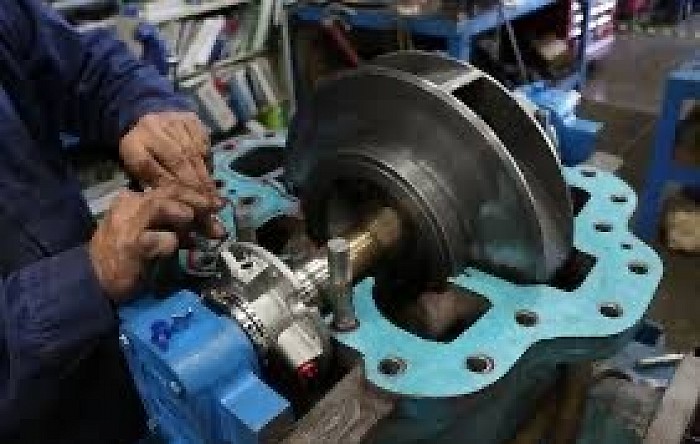
Centrifugal pumps are the most common type of industrial pump used across most industries. These pumps move fluid transfering of rotational energy from one or more driven rotors, known as impellers.
Fluid enters the rotating impeller along the pump’s axis and is expelled by centrifugal force toward the pump’s outlet. This type of pump can handle liquids that contain suspended solids. There are also different types and sizes of centrifugal pumps to meet various industrial needs.
2. Submersible Pumps
Submersible pumps are primarily used to move sewage and stormwater, but they are used by other industries as well. These pumps are created to work under extreme conditions and are ideal for shifting waste, chemicals, gray water, subsoil water, and foodstuffs.
3. Fire Hydrant Systems
Fire hydrant pumps are designed to serve fluid at high pressure and high force, so they are primarily used by the firefighting industry. These pumps may be installed in industrial settings or at the street level, where they are connected directly to a municipal water system.
Different Types of Industrial Pumps: Positive Displacement Pumps4. Lobe Pumps
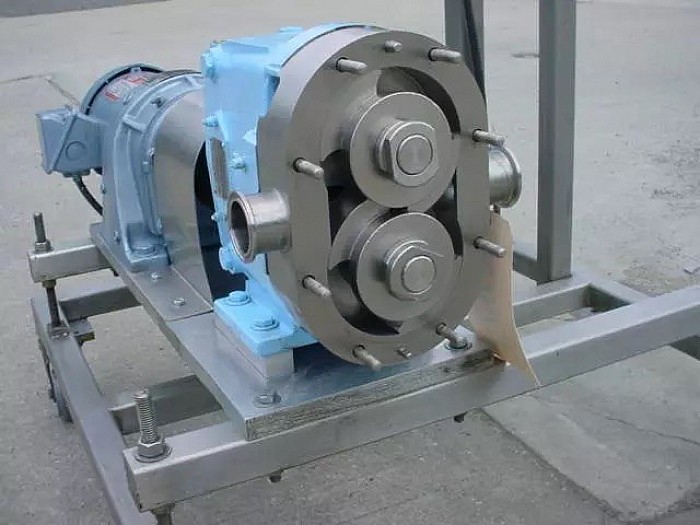
Lobe pumps include pairs of rotating “lobes,” which are similar to gears even though they don’t touch. As the lobes rotate together, they create a suction that pulls liquid into the pump. When fluid enters the pump’s casing, it becomes trapped because the lobes only rotate in one direction.
The fluid continues to get pushed toward the output area of the pump. Because the lobes don’t come into contact with each other, this type of pump can handle denser liquids and liquids with some solid materials.
5. Screw Pumps
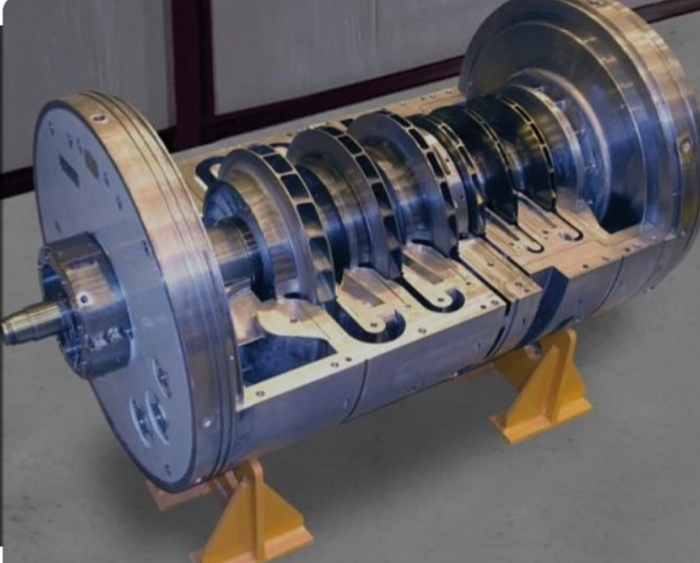
A screw pump is a type of pump that operates using several rotating screws inside the casing. Using two or more screws rotating in opposite directions, the pump creates internal pressure that moves fluid through the pump’s housing. The clearance between the screws is minimal, so this type of pump is better suited for applications like simple water movement or the transfer of high-viscosity materials like oil and fuel.
6. Diaphragm Pumps
Diaphragm pumps are also known as pneumatic or air operated diaphragm (AOD) pumps. These pumps use pneumatic pressure instead of electric power, so they are an ideal option when electricity isn’t available.
Diaphragm pumps are used for transferring chemicals with a high flash point, such as volatile solvents and corrosive chemicals. The pumps have two chambers with diaphragms, and air is transferred between the two using a valve. This shift in air is what creates the pressure to move fluid from one side of the pump to the other.
7. Gear Pumps
A gear pump is a type of rotating positive dislocation pump. As the gears inside the pump rotate, they force liquid through the pump using a process that creates a suction and void inside the system.
The fluid entering the pump receives energy through the grooves in the gears, which drive the fluid to the output area. Because the gears rotate in a specific direction, this prevents the fluid from back flowing. Gear pumps are used to transfer oil and grease as well as thick liquids that don’t contain any solid materials.
8. Piston Pumps
A piston pump is a specific type of positive displacement pump that uses a piston to create suction or discharge pressure. A motor drives the piston backward, creating a void and vacuum, which draws fluid into the pump casing. As the piston moves forward, this pressurizes the chamber, and the fluid that was pulled into the pump will be discharged.
There is also a valve installed in the pump that prevents fluid from back flowing out of the inlet. These pumps are used for the simple movement of liquid materials and to boost the efforts of more complex pumps.
Title: Two Rebuilds one standard, Thee other superior in Specifications, Prcecision, and Adherence to Tolerance, one rebuilt with High Grade Alloys the other with standard materials.
The Results one rebuilt warranted for (36) months in production, the other none.
Introduction:
As a maintenance Mgr, it is my responsibility to oversee the care and restoration of machinery within our organization. In this essay, we will explore the intricacies of machinery rebuilding, focusing on the distinctions between a standard machining rebuild and a superior rebuild that prioritizes precision, adherence to tolerances, and the use of specific materials. By understanding these differences, we can make informed decisions regarding machinery.
1. Rebuilding to Factory Specifications:
When machinery undergoes a standard machining rebuild, the primary objective is to repair or replace damaged components. While this approach may address immediate issues, it does not necessarily restore the equipment to its original performance and durability. In contrast, a superior rebuild involves a meticulous process that aims to bring the machinery back to its factory specifications, tolerances, and size. This ensures every aspect of the equipment is carefully restored, leaving no room for compromise.
2. Precision and Adherence to Tolerances:
A key differentiating factor between a standard rebuild and a superior rebuild is the emphasis on precision. In a superior rebuild, meticulous attention is given to every detail, ensuring that the machinery is reconstructed with utmost accuracy. Adherence to tolerances is crucial, as it guarantees the proper fit and functionality of each component. By focusing on precision and tolerances, the superior rebuild surpasses the standard rebuild in terms of performance and longevity.
3. The Role of Specific Materials:
One of the significant contributors to the superiority of a rebuild is the use of specific materials. In a standard machining rebuild, the aim is to restore functionality without necessarily considering the long-term effects. However, in a superior rebuild, alloy materials take center stage. These alloys offer enhanced strength, durability, and resistance to wear, ensuring that the rebuilt machinery can withstand the demands of its operational.
Conclusion:
Understanding the differences between a standard machining rebuild and a superior rebuild is essential in making informed decisions regarding machinery maintenance and restoration. By opting for a superior rebuild that emphasizes precision, adherence to tolerances, and the use of specific materials, we can ensure the optimal performance and longevity of our machinery. As maintenance managers, it is our duty to prioritize the meticulous process of rebuilding, ensuring that our equipment is restored to its factory specifications and can withstand the demands of its operational environment. In doing so, we can guarantee the continued success and productivity of our organization.
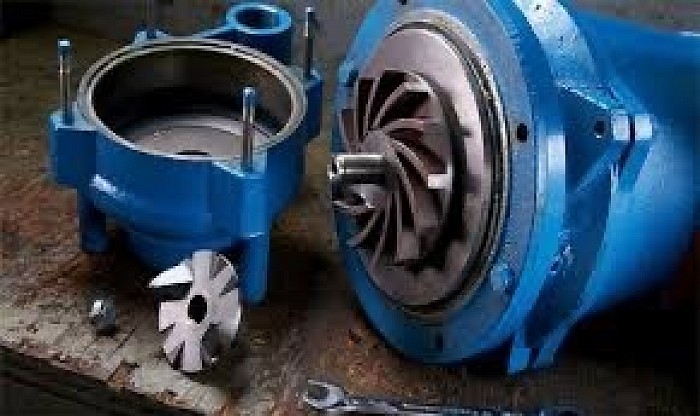
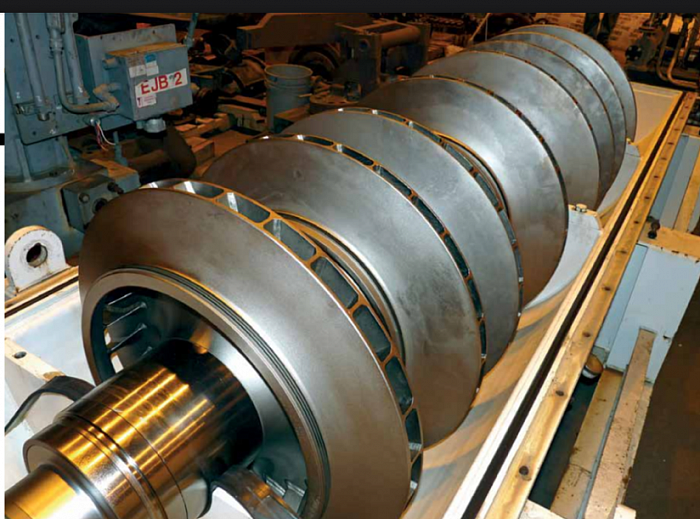
Wear Resistant Process
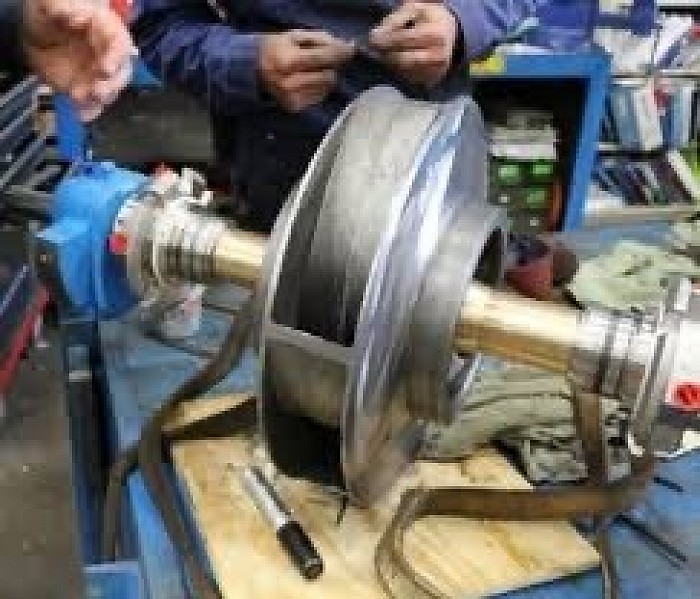
When it comes to rebuilding the impeller of a centrifugal pump and ensuring long-lasting performance, integrating an alloy process can provide excellent durability. Unlike Teflon or Thermo sprays, which may wear off, flake off, or peel off over time, alloy processes can offer superior adhesion and resistance to wear. This makes them a reliable choice for maintaining the integrity of the impeller and extending its lifespan
Wear Resistant Alloys
Wear is said to be second in a failure of a part. First corrosion occurs, then the particles act against the mating surfaces, after severe galling and seizing, the part finally ceases to move, or "freezes up."
These root causes are:
Abrasion – Abrasion is the process by which particles trapped between two sliding surfaces cut, score and gouge material from a softer machine surface. A good example of this would be how sandpaper cuts steel.
Corrosion – Corrosive wear is the result of a chemical reaction that is accelerated by temperature. It is typically caused by moisture or another corrosive liquid or gas. Rust, or oxidation, is the most well known form of corrosive wear.
Fatigue – Fatigue wear is a consequence of subsurface cracking, which is caused by cumulative rolling contact loading of rollers and pitch lines of gear teeth. Fatigue causes chunks and platelets to break off, causing further wear as more contact occurs.
Adhesion – Adhesion takes place when the load between moving surfaces is transferred by metal-to-metal contact, causing friction. Lubrication is used to prevent this, but if lubrication is inadequate then friction rises to very high levels.
In addition to these four root causes, there are a number of other mechanisms that, in particular applications, can contribute to component failures in industrial machinery.
